Dyslexia in Children: Signs, Consequences, and How to Overcome It
Updated: June 2026.
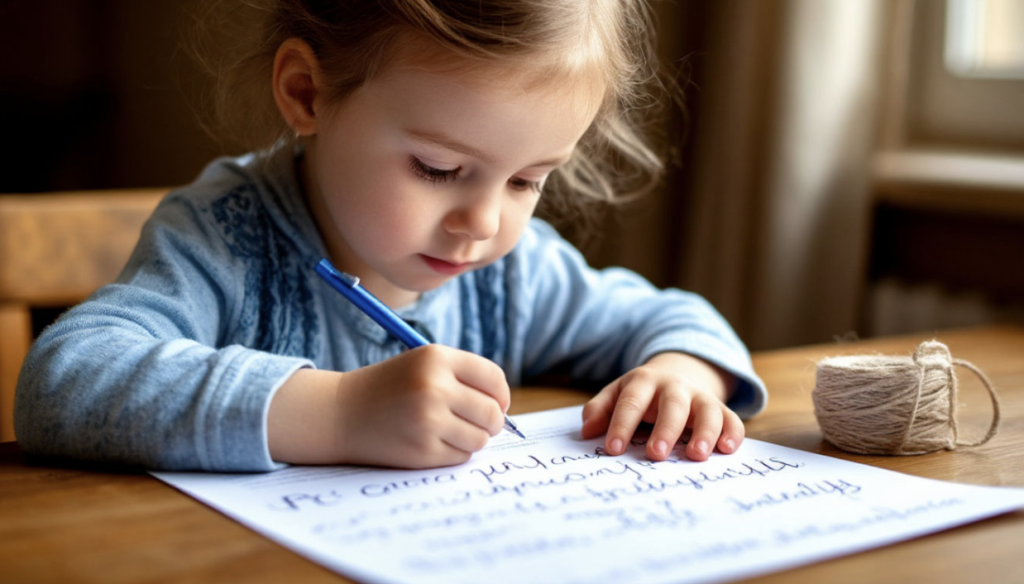
Dyslexia is a neurobiological condition that makes it difficult to recognize letters, understand what is read, and match letters to sounds—despite normal intelligence, vision, and hearing. It is not a disease or the result of laziness, but a difference in how the brain processes written information. Research shows that dyslexia affects 5–10% of school-age children.
Signs of dyslexia
Signs can look different depending on a child’s age.
In preschoolers (ages 3–6):
- speech development that lags behind peers;
- mispronouncing long or unfamiliar words;
- difficulty expressing thoughts (trouble forming a sentence or finding the right word);
- trouble recognizing or producing rhymes;
- little interest in learning the alphabet;
- difficulties with fine motor skills, balance, and memorizing short rhymes and songs.
In early elementary students (ages 7–10):
- slow reading with frequent errors (skipping letters, syllables, or whole words; guessing a word from its first letters);
- confusing similar-looking letters (“b”/“d”, “p”/“q”) and reversing them in words;
- difficulty remembering sequences of letters, numbers, days of the week, and the alphabet;
- inability to break words into parts to understand meaning (for example, not seeing “sun” and “flower” in “sunflower”);
- errors with similar-sounding words (“cat”/“bat”, “three”/“tree”/“free”);
- difficulty retelling what was read;
- problems with writing from dictation (odd substitutions, skipping letters, mirror writing);
- avoiding reading and writing because of psychological discomfort.
In teenagers and adults:
- avoiding reading aloud and working with longer texts;
- difficulty taking notes, completing paperwork, or writing essays and emails;
- errors in common words despite knowing the rules;
- anxiety around reading-related tasks.
Co-occurring signs may also be present: difficulties with memory, concentration, and spatial orientation; confusing left and right, or up and down; clumsiness; poor coordination.
What happens if dyslexia goes unaddressed?
Without timely intervention, dyslexia can lead to serious consequences:
- Academic struggles. Reading and comprehension difficulties prevent children from absorbing material, which affects grades and overall knowledge. Vocabulary does not grow and foundational skills do not develop.
- Low self-esteem and social difficulties. The child may feel “different from everyone else,” leading to self-doubt, fear of ridicule, and social isolation. Conflicts with classmates and teachers are common.
- Psychological difficulties. Chronic stress can contribute to anxiety, depression, obsessive-compulsive disorder, or other mental health challenges.
- Future limitations. In adulthood, dyslexia can make it harder to pursue careers that require heavy reading or writing, and can affect overall quality of life.
Strengths of children with dyslexia
Despite reading challenges, children with dyslexia often have remarkable strengths:
- strong imagination and visual-spatial thinking;
- a natural tendency toward creative problem-solving;
- the ability to see the big picture rather than getting lost in details;
- strong memory for images, visual information, and audio;
- talents in non-reading areas: art, sports, chess, building, and more.
How to help a child with dyslexia
If you suspect dyslexia, seek out specialists: a speech-language pathologist, neuropsychologist, or educational specialist. In some cases, referrals to a neurologist, psychologist, or psychiatrist may also be helpful.
Intervention approaches include:
- Multisensory instruction. The child uses multiple channels of perception: sight, sound, touch, and movement. For example, molding letters from clay, tracing them with a finger, or writing them in the air.
- Building phonemic awareness—the ability to identify and work with individual sounds in words. This uses rhyming games, word manipulation activities, and identifying words that start with a given sound.
- Work on visual-spatial skills. Exercises for spatial orientation and remembering sequences of objects.
- Neuropsychological support. Developing cognitive functions: visual perception, working memory, and attention switching.
- Psychological support. Creating a safe, supportive environment free of criticism and comparison with other children, and keeping the child motivated to learn.
At school, you can request these accommodations:
- extended time on tests and assignments;
- replacing written work with oral responses where possible;
- audio materials instead of written text;
- visual cheat sheets or picture-based instructions for complex tasks.
At home, it helps to:
- read together, taking turns with different parts or characters;
- use audiobooks;
- play word games (20 Questions, I Spy, storytelling games) and word board games (Scrabble, Bananagrams);
- build words with magnetic letters.
Remember: dyslexia is not a life sentence. With timely support and intervention, your child can succeed in school and reach their full potential.
Why early professional help matters
Do not wait to see a specialist if you notice signs of dyslexia in your child. Early diagnosis and intervention can prevent longer-term consequences and help your child feel more confident and at ease.
At Animago we use a structured, evidence-based protocol for working with dyslexia.
Here is what we do:
- We start with a check-up. We look at where your child is right now.
- We create an individualized program based on assessment results, taking into account your child’s specific needs and strengths.
- We use evidence-based methods:
- techniques to reduce anxiety and build a positive attitude toward learning;
- phonemic awareness exercises;
- visual-spatial skills training.
We structure every session as play with animated characters—so your child feels less anxious and more engaged in the process.
Book a check-up. It’s 30 minutes with a psychologist and 30 minutes of consultation for the parent. You will walk away with personalized recommendations for supporting your child.
Read also:
7 Pixar Movies That Help You Talk to Your Child About What Matters
How to Prepare Your Child for Their First Session with an Animago Psychologist