Children’s Fears: A Parent’s Guide from Monsters to School
Children’s Fears: A Parent’s Guide from Monsters to School
Updated: March 2026.
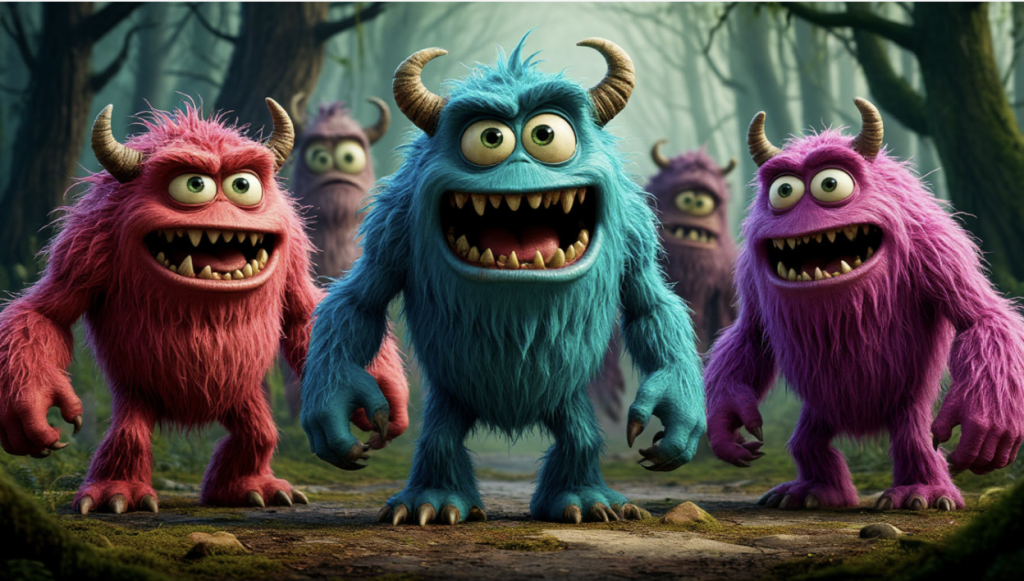
Is your child afraid of monsters under the bed, reluctant to stay alone, or anxious before daycare because of unfamiliar people? These fears are part of life, but they can seriously disrupt everyday routines. Parents worry when they see anxiety holding a child back from enjoying childhood. Remember: feeling fear is normal — it is a natural psychological response. An adult’s job is to help a child learn to cope.
When should you be concerned?
Fear is a useful emotion: it warns of danger, helps avoid risky situations, and teaches caution. But sometimes fear gets out of control and starts interfering with a child’s life:
- sleep is disrupted (difficulty falling asleep, nightmares);
- somatic symptoms appear (headaches, stomachaches with no medical cause);
- the child avoids everyday activities (refuses daycare, won’t play with friends);
- behavior becomes overly dependent (the child won’t let a parent out of sight for a minute);
- general anxiety increases and compulsive rituals appear.
If these signs last more than a few weeks and interfere with daily life, it is worth consulting a child coach.
How can a parent help a child overcome fear?
Every child has fears — that is normal. Darkness, new places, scary shadows, speaking in front of class. Adults sometimes assume fear will “just go away,” but what a child really needs is the experience of safely facing fear with support nearby. We have gathered several playful techniques to help your child become braver and more confident step by step.

1. “Night Explorer”
Suitable for: fear of the dark, fear of being alone in the room.
How to use:
- During the day, invite your child to play “night explorer.”
- Collect a “Brave Explorer Kit”: a flashlight, a companion toy, a “magic amulet of courage” (for example, a bracelet).
- Close the curtains, turn on the flashlight and start exploring the room. As you explore, draw a plan of the room together: a bed, a closet, a table, an empty corner… Pay attention to how unusual the shadows appear from ordinary objects and furniture when you point a flashlight at them.
- Let the child mark with symbols or drawings:
- where he is especially scared;
- “safe places” (next to a toy, under a blanket, near a lamp);
- scary shadows.
- Come up with names for scary places (for example, “Stupid Dark Corner”, “Shadow Shacker”), make up funny stories about why they are called that. Label them on the plan.
- In the evening, study the layout of the room and install a night light, choosing together where it is best to put it – this will increase the feeling of control.
Adaptation:
- for kids: explore in the form of a game, draw a map together;
- for older children: add symbols and a legend to the map.
2. “Adventure Cartographer”
Suitable for: fear of new places (school, kindergarten, store, yard), anxiety before moving, visiting an unfamiliar building (clinic, gym), as well as fear of getting lost.
How to use:
- Invite your child to draw a map of a new place for him. Draw together if the child is small.
- The diagram does not have to be exact. The main thing is that it reflects his perception.
- Let the child color the zones on the map, choosing a color according to his feelings:
- green – “Where I feel calm”;
- yellow – “I don’t know what’s there”;
- red – “It’s scary there.”
- Discuss the resulting map: why is some place red?
- Gradually, together with your child, “explore” the yellow zones, turning them into green when he feels more confident there. Then turn the red zones into yellow and also into green.
- To record progress, you can paint areas in a different color on top of the previous one, and then redraw the entire map, discussing the changes.
3. “A Brave Tale”
Suitable for: fears associated with imaginary images (monsters, ghosts, “monsters under the bed”), as well as anxious thoughts about a future event (a performance, an exam, a trip to the doctor).
How to use:
- Invite your child to come up with a story where he himself is the main character.
- In this story, in addition to the hero, there should be:
- antagonistic fear (for example, “Mist Monster”);
- hero’s assistants (toys, parents, friends);
- magic items (amulet, book, flashlight).
- A fairy tale must have a path to overcome fear and defeat the antagonist, as well as a happy ending.
- Draw along the story:
- hero;
- image of fear;
- scene with overcoming.
4. “Collector of Courage”
Suitable for: any everyday fears and anxieties, especially recurring ones (fear of the dark, dogs, answering at the blackboard, meeting new people).
How to use:
- Prepare a box or jar, colored cards or stickers, stickers.
- After each small victory over fear, offer your child:
- write (or draw) on a card what he was afraid of and what helped;
- decorate the card with a sticker, difficulty stars, etc.
- Keep all cards in a bank. Once a week, take them out and read them, remembering: “Do you remember how you were able to do that then?..”
- Mark especially important cards (for example, with two stars or higher), this enhances the effect of accumulating courage.
How to use the techniques?
- Offer your child 1–2 technique to choose from, it is important that he is involved.
- Repeat the exercises, even if you see that fear is receding, to build confidence.
- Support your child without pressure: fear is not weakness, but an emotion that can be lived.
Do you want your child to quickly cope with their fears and develop confidence?
Come to class at “Animago”! During the consultation, we will find the true cause of fears.
Book a consultation
Why may home appliances not help a child?
Sometimes even proven methods do not produce results. The reasons may be different:
- Lack of basic self-understanding skills. The child does not yet know how to clearly formulate his experiences and fears.
- Negative experience. One traumatic event can perpetuate fear for a long time (for example, a fright in the dark or a conflict in kindergarten).
- Lack of trust and basic sense of security. If there is a tense atmosphere in the family or the child does not feel supported, it is more difficult for him to cope with anxiety.
- Individual characteristics of the psyche. Some children have higher levels of anxiety due to temperament or genetics.
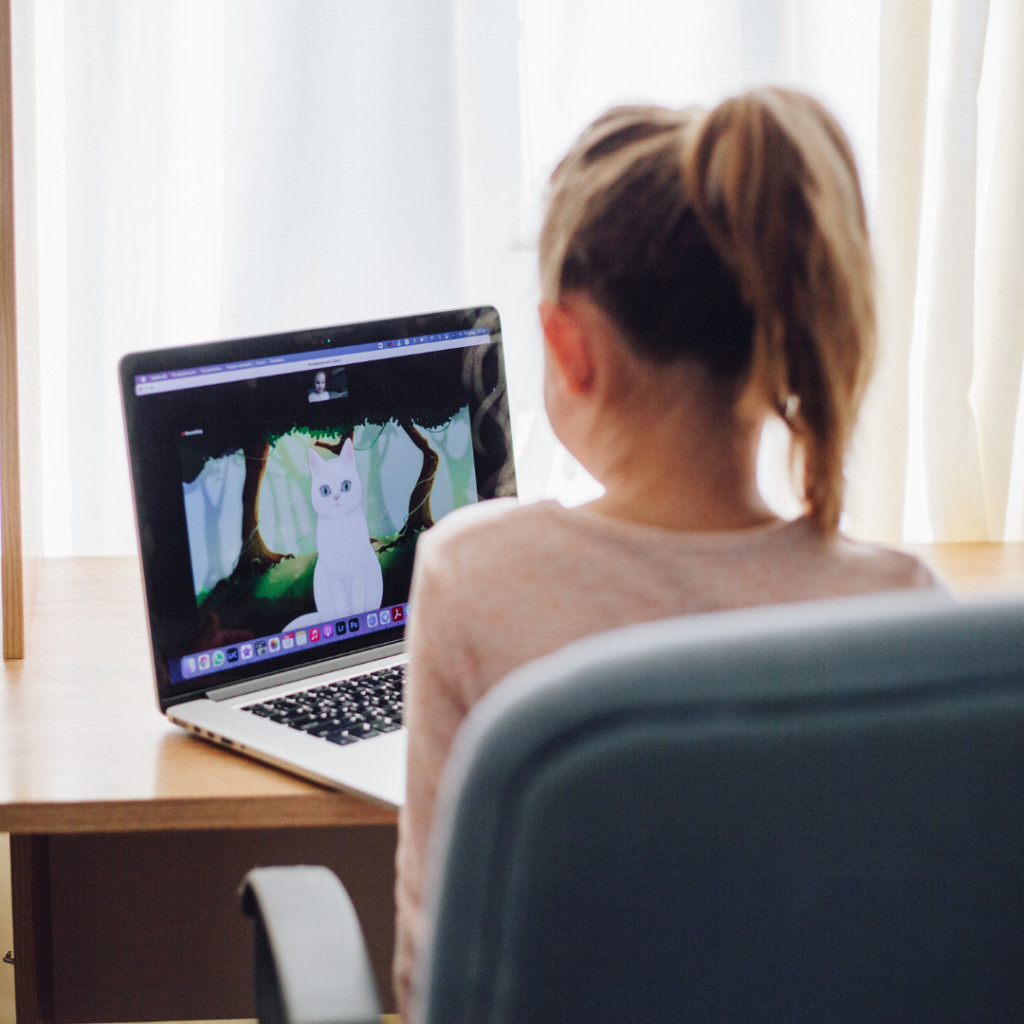
Our child coachs, experienced cognitive behavioral coachs, work in the images of cartoon characters to make it easy and interesting for the child to try new ways to overcome anxiety and fear. We will help the child understand what is happening to him, find his courage and train it in different life situations.
After each lesson, you will receive feedback and specific recommendations from the coach on how to consolidate your child’s success.
Sign up for consultation with customer service specialists.
“Animago” – coachs who give children superpowers!

Frequently Asked Questions
What should I do if my child won’t let go of me and is afraid to be alone, even though they already go to school?
Create a “safety bridge”: leave your child an object connected to you (a photo, a toy, a scarf), agree on regular short phone calls, and gradually increase time apart, starting with just a few minutes. Praise every step toward independence.
What quick phrases can I use in the moment to ease tension and fear?
Use short, supportive phrases: “I’m right here, you’re safe,” “Let’s look together — if something happens, I’ll handle it,” “You’ve gotten through this before, and you can do it now,” “Hold my hand until you feel calmer.” Speak softly and confidently, and hug your child if they’re open to it.
Try Animago
Animago is an online team of highly qualified child coaches who lead sessions with children and support parents using evidence-based methods. For children ages 3–7, Animago coaches meet as animated characters over live video.
We help with common childhood challenges—fears, anxiety, low confidence, shyness, and more—and support healthier parent-child relationships. The Animago team has already helped more than 2,500 children build resilience!
Want to try it?
See also
Не удалось встроить форму оплаты. Откройте оплату в новом окне:
Перейти к оплатеМы используем файлы cookies для улучшения работы сайта и анализа трафика. Продолжая использовать сайт, вы соглашаетесь с нашей политикой конфиденциальности.