The Default Mode Network: How to Help Your Child Stay More Focused
The Default Mode Network: How to Help Your Child Stay More Focused
Updated: June 2026.
Every parent has at least once encountered a situation where a child “has his head in the clouds” while doing homework or loses the thread of a conversation. It seems that he is physically present here, but his thoughts are somewhere far away.
This phenomenon is not just childish absent-mindedness, but feature of the brain, which has a scientific explanation.
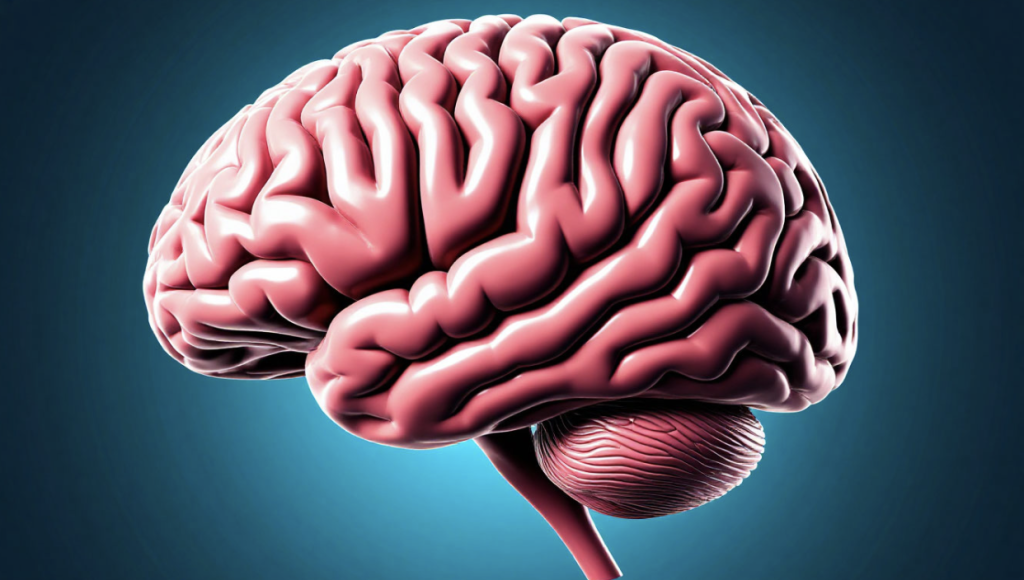
What is the default system of the brain
Default system is a special network of brain regions that is activated during moments of rest.
It plays an important role in processing emotions, social experiences, and forming self-perceptions. It is thanks to this system that the child learns to cope with experiences and adapt to the world around him.
Normally this is a natural process, but sometimes it can get in the way learning and development.
Modern research shows that in children the default system is often activated at moments when concentration is required. This may manifest as daydreaming, absent-mindedness, or difficulty completing tasks.
Understanding the mechanisms of the default system helps parents better support development child and create conditions for effective learning.
Signs of activation of the default system
The default system can manifest itself in different ways, and it is important to be able to distinguish between normal absent-mindedness and signs that require attention.
How to understand that a child is in default mode?
Please note the following signs:
- Frequent distractions while performing tasks;
- Difficulty maintaining attention on one task;
- Tendency to daydream at inappropriate times;
- Slow switching between tasks;
- Difficulty remembering new information.
It is important to remember that occasional distraction is Fine. However, if these signs become persistent and interfere with daily life, school, or social interactions, it is worth paying special attention to.
Observing the child’s behavior and timely response to change will help create optimal conditions for his development and learning.
Each child is unique, and what appears to be an abnormality may simply be a feature of their individual developmental path.
The connection between developmental characteristics and the functioning of the brain’s default system
Default brain system plays a special role in the development of children with neurodivergent characteristics.
In children with autism spectrum disorder (ASD) and attention deficit hyperactivity disorder (ADHD), its work has its own characteristics, which are important to understand in order to properly support the child.
At ASD The operation of the default system is manifested through:
- Difficulties in building communication with others;
- Repetitive actions as a way of self-regulation;
- Difficulties in adapting to changes in the familiar environment.
At ADHD Features of the system are expressed in:
- Problems concentrating on tasks;
- Rapid loss of interest in started activities;
- Difficulty switching between different tasks.
Understanding these features helps parents and professionals create optimal conditions for the development of the child.
It is important to remember that each feature is not just an obstacle, but part of a unique developmental pattern that requires individual approach and support.
Working with such children requires integrated approach, including the development of self-regulation skills, adaptation of the environment and support in mastering new skills. This helps the child cope better with everyday tasks and feel more confident.
How to help a child: modern approaches to development support
Cognitive Behavioral Coaching (CBT) offers scientifically based methods of helping children with peculiarities of the brain’s default system.
Modern research shows that an integrated approach can significantly improve a child’s quality of life and his ability to cope with everyday tasks.
Main areas of work
Emotional regulation includes:
- Learning to recognize and name emotions;
- Techniques for safe expression of feelings;
- Mindfulness practices to better understand your condition;
- Developing empathy through game exercises.
Reduced anxiety implemented through:
- Relaxation techniques and breathing exercises;
- Cognitive practices for rethinking anxious thoughts;
- Gradual exposure to disturbing situations;
- Creation of a support and security system.
Development of attention carried out using:
- Techniques for structuring space and time;
- Concentration exercises in a playful way;
- Technician of planning and organizing activities;
- Gradually increasing the focusing duration.
Self-regulation is formed through:
- Development of self-control skills;
- Training in coping strategies;
- Formation of healthy habits;
- Creation of a system of rewards and motivation.
Switch between tasks supported:
- Visual cues and schedules;
- Time management techniques;
- Step-by-step training in planning;
- Practice switching in a playful way.
Science-Based Methods include:
- Cognitive training using digital technologies;
- Family counseling to create a supportive environment;
- Group classes to develop social skills;
- Individual programs taking into account the characteristics of the child.
Regular practice and consistency When using the techniques they give the best results.
Modern research confirms the effectiveness of an integrated approach that combines work with cognitive processes, emotional states and behavioral patterns.
This allows you to create solid foundation to develop the skills a child needs for successful adaptation and self-realization.
When to Seek Professional Help
Sometimes it can be difficult for parents to understand when behavior is outside the norm.
Important notice in time warning signs and seek qualified help.
Early intervention can significantly improve a child’s quality of life and help him cope with emerging difficulties.
Signs that require specialist attention
Important consult a specialist if:
- The child is constantly tired and quickly loses interest in activities;
- There are significant difficulties concentrating;
- Emotional swings seriously interfere with daily life;
- Learning problems are not solved on their own;
- Difficulties appeared in communicating with peers;
- Noticeable changes in behavior that cause concern;
- The child becomes more withdrawn and aggressive.
Alarm Signals can manifest themselves in different aspects of a child’s life:
- In educational activities;
- In social interactions;
- In an emotional state;
- In physical well-being.
Professional approach includes:
- Comprehensive assessment of child development;
- Identifying the causes of emerging difficulties;
- Development of an individual support plan;
- Recommendations for parents and teachers.
Animago specialists help parents better understand the individual characteristics of their children and find optimal ways of support.
Check-up in “Animago” is an opportunity to receive a professional assessment of the child’s development and recommendations for further work.
We create a safe space where every child can open up and receive the necessary support.
Remember: Seeing a specialist is not a sign of a problem, but a step towards better understanding your child and his needs.
Frequently asked questions (FAQ)
Is it possible to correct the peculiarities of the default system with the help of training and exercises?
Yes, modern research shows that working with the default brain system can be corrected. However, it is important to understand that this is a complex process that requires:
- Regular sessions with a coach;
- Creating the right environment;
- Consistent execution of exercises;
- Support from parents.
The effectiveness of training depends on the child’s age, individual characteristics and regularity of training.
Can the digital environment influence the operation of the default system?
Yes, modern technologies can both positively and negatively affect the functioning of a child’s brain. Important:
- Control the time you use gadgets;
- Choose developmental applications;
- Alternate digital activities with offline classes;
- Create periods of digital detox.
With the right approach, digital technologies can become a tool for developing attention and self-regulation.
How long does it take to work with the features of the default system?
The duration of work is individual and depends on:
- The initial condition of the child;
- The selected correction technique;
- Regularity of classes;
- Parental involvement in the process.
Typically, the first positive changes are noticeable after 2–3 months of regular exercise. To consolidate the results, it is recommended to continue working for at least six months. It is important to remember that this is not a quick process, but a path to lasting changes in the functioning of the child’s brain.
Try Animago
Animago is an online team of highly qualified child coaches who lead sessions with children and support parents using evidence-based methods. For children ages 3–7, Animago coaches meet as animated characters over live video.
We help with common childhood challenges—fears, anxiety, low confidence, shyness, and more—and support healthier parent-child relationships. The Animago team has already helped more than 2,500 children build resilience!
Want to try it?

See also
Не удалось встроить форму оплаты. Откройте оплату в новом окне:
Перейти к оплатеМы используем файлы cookies для улучшения работы сайта и анализа трафика. Продолжая использовать сайт, вы соглашаетесь с нашей политикой конфиденциальности.