How Parents Shape Their Children’s Body Image
How Parents Shape Their Children’s Body Image.
Updated: April 2026.
Body image is formed under the influence of three factors:
- Biological – gender, genetics, body structure, hormones, brain characteristics.
- Psychological – level of anxiety, perfectionism.
- Sociocultural – family, peers, media and social networks, where beauty standards are constantly formed and broadcast.
The role of parents.
Many parents believe that social media creates a negative body image in children. However, the influence of the family – especially before the age of 12 – is colossal.
Parental behavior:
- Comments about your appearance (“I’m old,” “I have a big belly”) let children know that appearance = value.
- Jokes and nicknames, even “harmless” ones like “chubby” can leave deep marks.
Research shows that being teased about your appearance increases your risk of eating disorders—even after 20 years.
Criticism from adults greatly influences the child’s perception of himself as a whole. The child’s inner voice consists of the parent’s statements. In our blog we discussed the consequences of this behavior in the article “What happens to a child with frequent criticism”.
Influence of friends and peers.
In adolescence it is Friends become the main source of norms and ideas about the “ideal”.
So-called “fat talk” – conversations like “I have thick thighs” – create false solidarity and perpetuate the cult of appearance in the group.
What parents can do:
- to be interested what kids talk about with friends;
- discuss, How is appearance pressure formed? in their environment;
- help think critically about these conversations.
Signs of body image problems.
Parents should be attentive to:
- frequent checks of reflection (in a mirror, screen, etc.);
- the desire to wear baggy clothes to “hide”;
- Phrases like “I just want to get healthier” are often a signal to start restrictive diets.
Browsing social media together helps discuss what content makes you uncomfortable?, and, if necessary, “pause” harmful accounts.
How to help a child.
The main rule is stop negative body language, yours or someone else’s.
Simple trick:
if you find yourself criticizing your appearance, add a comment about body functionality.
At Animago we often work with families where the child has already encountered a critical attitude towards the body.
If you notice the first signs of anxiety – better not to wait, because the body image is being formed right now. For blog readers – 10% discount on psychological checkup.
Checkup helps:
– understand how the child perceives himself;
— identify hidden sources of pressure (school, friends, social networks);
— get recommendations for parents: what to say, how to support, what exactly NOT to do.
See also:
What happens to the psyche and body of a child who is punished with silence?
Exercises to relieve stress.
Signs of a Narcissistic Parent.
Try Animago
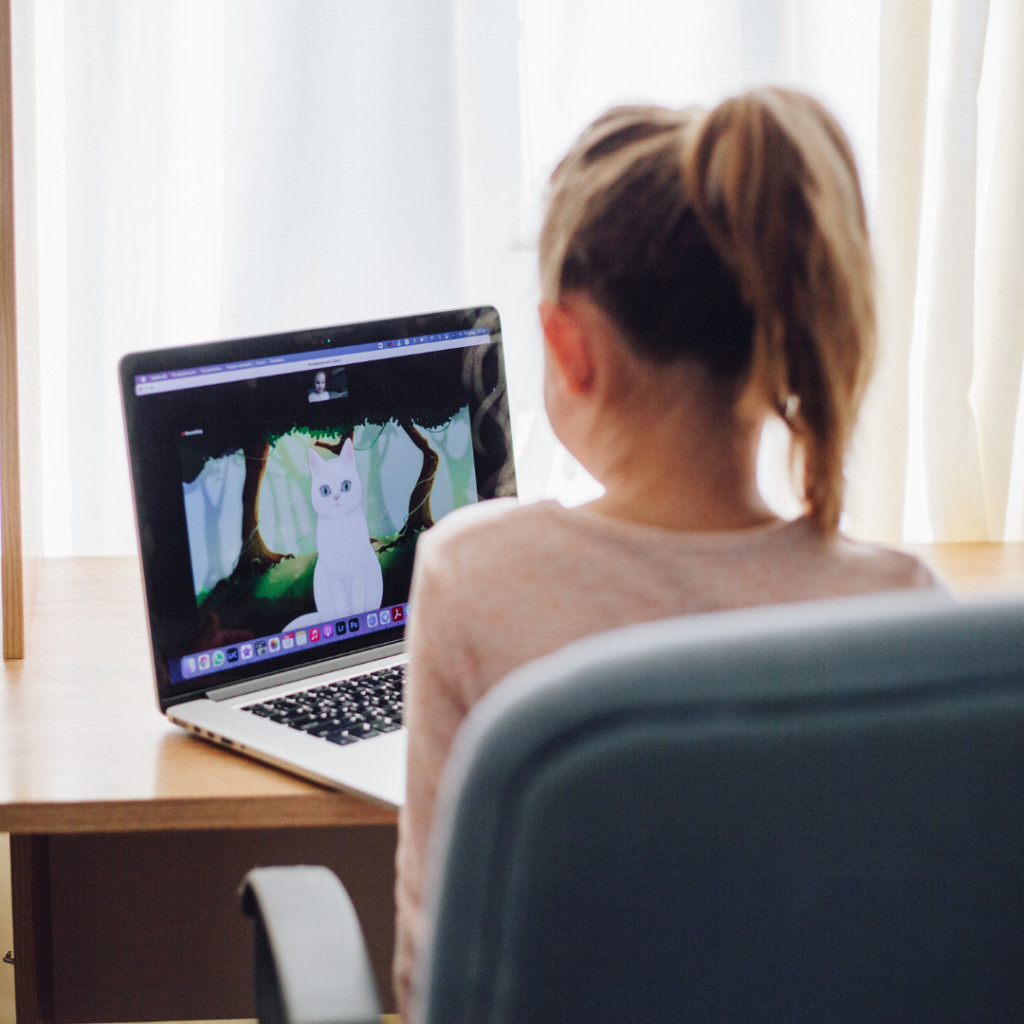
Animago is an online team of highly qualified coachs who work with children and coach parents using evidence-based methods. For children ages 3–7, Animago coachs meet as animated characters over live video.
We help with common childhood challenges — fears, anxiety, low confidence, shyness, and more — and support healthier parent-child relationships. The Animago team has already helped more than 2,500 children build resilience!
Want to try it?
See also
Не удалось встроить форму оплаты. Откройте оплату в новом окне:
Перейти к оплатеМы используем файлы cookies для улучшения работы сайта и анализа трафика. Продолжая использовать сайт, вы соглашаетесь с нашей политикой конфиденциальности.